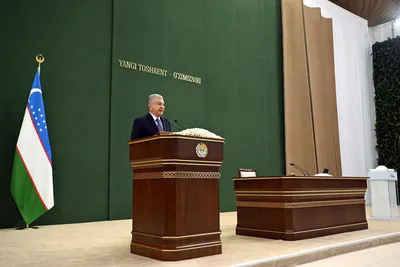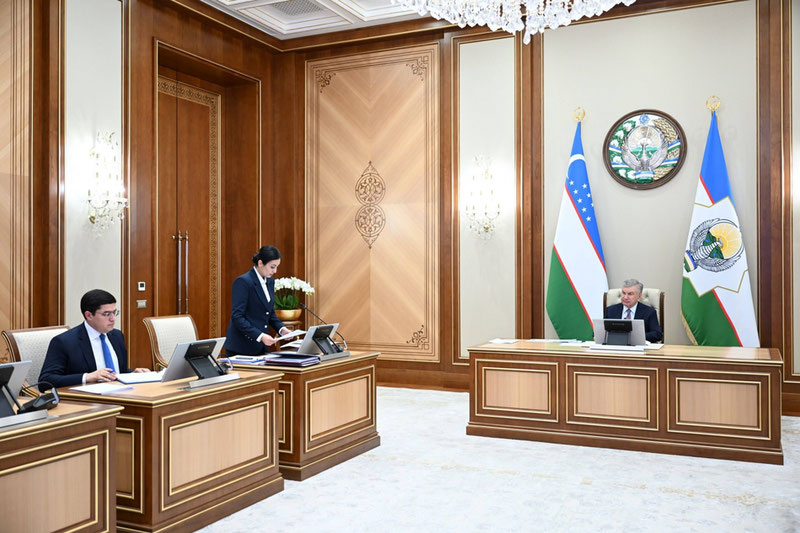
The presentation discussed proposals aimed at early detection of corruption risks in the judicial system, preventing conflicts of interest, and strengthening internal control over the activities of employees.
In particular, it was proposed to establish a Compliance Oversight Service within the Supreme Court. This structure is planned to report directly to the Chairman of the Supreme Court, with compliance inspectors operating in regional courts.
It was noted that the service will be engaged in identifying and assessing corruption risks, preventing them, and monitoring compliance with legislation and professional ethics requirements.
Additionally, measures are envisaged to create a list of high-risk positions in the court apparatus, digitalize high-risk processes, and reduce the human factor.
The presentation also considered the introduction of an automated electronic system for submitting and analyzing conflict of interest declarations, as well as income and property declarations for judges. Such a system will also be applied to court staff.
Furthermore, plans include launching electronic information systems aimed at identifying risks related to corruption and suspicious schemes, protecting employees who report corruption, and creating secure channels for citizens to submit appeals.
It was reported that by the end of 2026, a diagnostic assessment of anti-corruption resilience will be conducted in the judicial system. The anti-corruption resilience of candidates for judicial positions will also be evaluated during the selection process.
At the same time, the automatic case distribution system will be improved, and the criteria for case distribution and redistribution will be clearly defined.
The presentation also considered a proposal to introduce specialized service uniforms for court staff.
President Shavkat Mirziyoyev emphasized that strengthening the environment of transparency, integrity, and fairness in the judicial system is crucial for increasing citizens' trust in the courts.