However, in reality, this product poses a serious threat to human health, especially for future generations. Due to its low cost and hidden consumption, nasvay is becoming increasingly widespread. The most dangerous aspect is that its consequences are not being sufficiently explained to society.
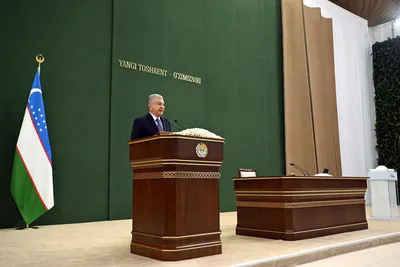
Today, a discussion was held in cooperation with the Customs Committee and a number of organizations on the topic "The relevance of regulating nicotine alternatives: the balance between public health and economic interests." The event was attended by economists, international experts, representatives of state bodies, medical professionals, media, and civil society representatives.
During the roundtable discussion, participants discussed not only the medical consequences of restrictions but also the economic risks of illegal trade, product quality control, and the impact of regulation on the market and consumers. International experts, economists, government agencies, medical professionals, media, and civil society representatives actively participated in the discussion.
Many participants delivered presentations on the following topics: analysis of the consequences of bans and the growth of the illegal market, international innovative approaches to reducing smoking — from the Persian Gulf states to Central Asia, international models of regulation and their impact on public health indicators. Also discussed were medical risks associated with low-quality and counterfeit products, smuggling, and product quality control issues.
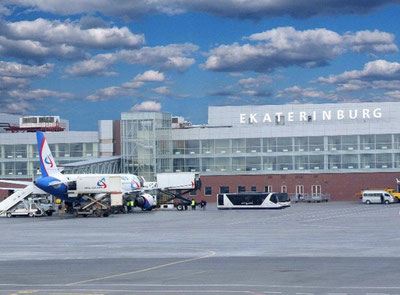
It was also particularly noted that in recent years, instances of illegal importation of tobacco products into our country have increased. Khusan Tangriev specifically addressed this issue (video).
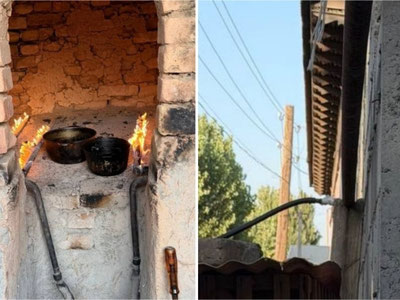
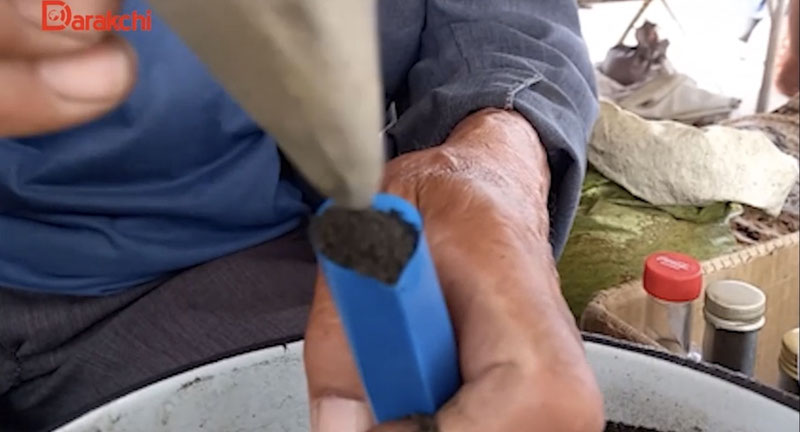
According to scientists and researchers, the high incidence of neck and oral cavity cancer in Uzbekistan is directly related to the consequences of nasvay consumption. According to the speakers, until recently, nasvay was not regulated within a clear legal framework and, even today, remains almost uncontrolled. Its composition varies by region, and production is often carried out using makeshift methods. The packaging does not indicate what substances are contained in 1 gram of nasvay and their proportions, nor is excise tax paid on this product.
Experts also emphasized that the absence of regulated nicotine alternatives on the market perpetuates the demand for dangerous and uncertified products.