Time magazine reported on this, citing two high-ranking officials from the country's Ministry of Health.
According to sources, the number of victims has exceeded even the capacity of emergency services. In particular, due to a shortage of special bags designated for bodies, it became necessary to use tow trucks instead of ambulances.
However, according to information announced by Iranian officials on January 23, a total of 3117 people were killed as a result of the protests. According to Foreign Minister Abbas Araghchi's emphasis, among them are 2427 representatives of peaceful civilians and security personnel, as well as 690 "terrorists."
Time publication noted that it could not independently verify the cited figure of 30,000 through sources. However, it is said that the estimates of the doctors and emergency service personnel interviewed by journalists are close to these figures.
According to doctor Amir Parastani, his report did not account for bodies brought to military hospital morgues and victims in unaccounted areas. In his opinion, the real number of victims could be even higher than what has been announced.
Meanwhile, the US-based Human Rights Activists News Agency (HRANA) confirmed at least 5459 deaths as a result of the protest demonstrations as of January 24, with over 17,000 more cases under investigation. It is emphasized that accurately determining the number of victims is currently difficult due to the nationwide shutdown of internet and mobile communications.
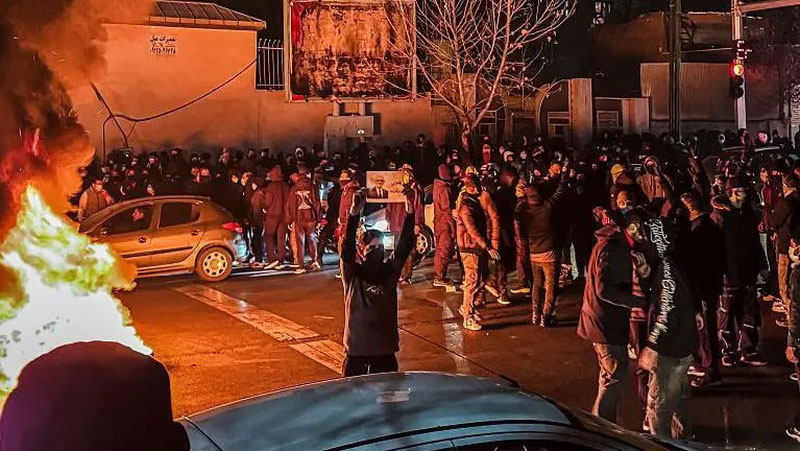
According to information, the mass protest demonstrations in Iran were caused by the country's severe economic situation. Official Tehran has accused the US and Israel of organizing the unrest. US President Donald Trump threatened to strike if the Iranian government forcefully suppressed the protests, but he backtracked from this position after consultations with allies.