US President Donald Trump described the rise in oil prices on his social media page as a "very small price to pay." In his opinion, once Iran's nuclear threat is eliminated, the oil price will quickly fall again. CNN reported this.
"The short-term rise in oil prices is a very small price to pay for the security of the US and the entire world. Those who think otherwise are fools," Trump wrote on the Truth Social network.
Markets Worried About War
The conflict around Iran is putting serious pressure on the oil market. According to analysts, if the war drags on, it could deal a serious blow to global oil supply.
In particular, attacks on oil refineries in the Middle East have further destabilized the market. Traders are expressing concern that the flow of energy resources could be halted for a long time.
Iran, for its part, has stated that it could attack any oil tanker passing through the Strait of Hormuz, one of the most important sea routes in the Persian Gulf. Nearly 20% of the world's oil trade passes through this strait.
On Sunday, US oil futures rose by 18%, reaching nearly $108 per barrel. At some points, the price rose to as high as $110. Brent crude also rose by 16%, reaching approximately $108 per barrel.
Prices Could Reach $150
Energy market analysts say the situation could escalate further. According to Homayoun Falakshahi, lead analyst at Kpler, if transport through the Strait of Hormuz is not disrupted, oil prices could reach $150 by the end of March.
The sharp rise in oil prices also negatively affected stock markets. Investors are expressing concern about renewed inflation and increased pressure on the economy.
Against this backdrop, Dow Jones index futures fell by more than 800 points. The S&P 500 and Nasdaq indices also fell by nearly 1.6%.
Gasoline Prices Also Rose
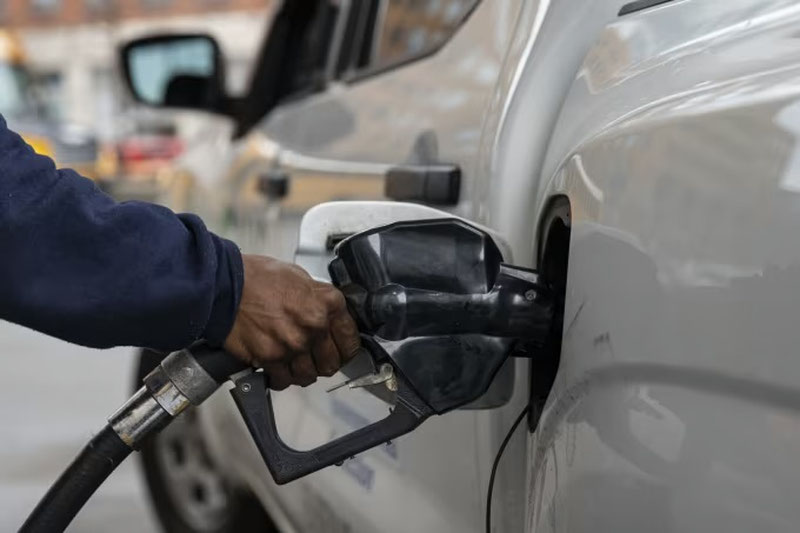
Following the initial strikes carried out against Iranian territory on February 28, gasoline prices in the US also rose noticeably. According to Sunday's data, the average price of gasoline in the country reached $3.45 per gallon. This is 16% higher than the figure from a week ago.
A prolonged increase in energy prices could put pressure on the US economy. This, in turn, could intensify political problems for Trump and the Republicans ahead of the midterm elections in Congress.
Attempts to Control the Situation
On Sunday, the US administration attempted to alleviate concerns about the sharp rise in oil prices. The White House announced a plan to provide insurance guarantees for oil tankers passing through the Strait of Hormuz.
Previously, marine insurance companies had stated they would not cover ships in the region if they came under attack. The US government is also considering the possibility of escorting tankers with military vessels. However, no specific plan has been announced yet.
Analysts say these measures may not be enough to fully calm the market. In their opinion, stability will only return to the oil market if military tensions decrease.
Conflict Entering a New Stage
One of Iran's high-ranking officials stated that the conflict has entered a "new stage." This statement came after Israel struck Iranian oil facilities.
According to the official, Iran will not give up control over the Strait of Hormuz until it achieves its goals. Therefore, there is also a possibility of new strikes on energy infrastructure in the region.
At the same time, some oil producers are forced to reduce production due to full storage facilities.
In an interview with CNN, US Energy Secretary Chris Wright said the US is not planning direct strikes on Iran's oil industry or energy infrastructure. At the same time, it was noted that Iranian oil remains under international sanctions, with China being its main buyer.