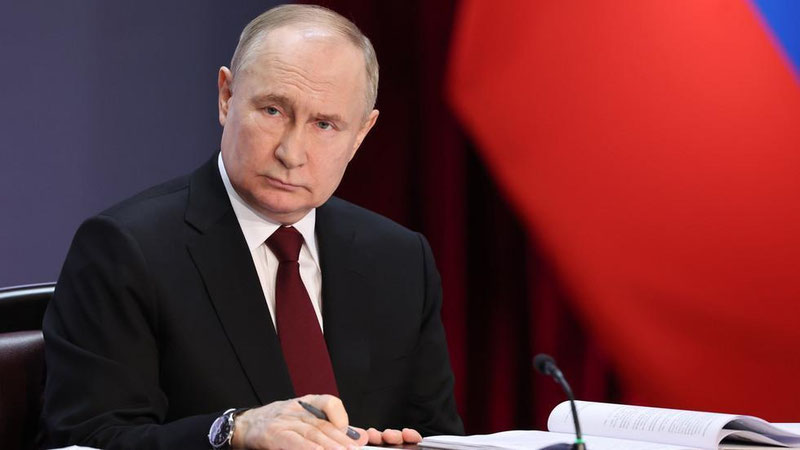
Russian security services have temporarily disabled part of a special video surveillance system designed to protect President Vladimir Putin and high-ranking officials close to him. This was reported by Zamon.uz, citing two sources familiar with the situation, according to the report.
According to the publication, the decision was made during a period when potential threats to Iran's Supreme Leader Ayatollah Ali Khamenei were being discussed. Russian special services expressed concern that modern video surveillance systems could be used to determine the movements and locations of high-ranking individuals.
One of the sources stated that this system operates separately from the approximately 300,000 surveillance cameras installed across Moscow. From a security standpoint, it was disconnected from the internet and subjected to additional audits and technical inspections. The system was later reactivated.
Such measures were prompted by information that Israeli intelligence services had used video surveillance systems on Iranian territory. According to the publication's sources, large volumes of video recordings collected through road cameras were analyzed to track the movements of high-ranking individuals.
Russian Presidential Press Secretary Dmitry Peskov did not comment on the publication's questions in this regard. At the same time, it is reported that Federal Security Service Director Alexander Bortnikov had earlier warned heads of regional security agencies about potential vulnerabilities in modern video surveillance systems.
He emphasized that the development of artificial intelligence and video analytics technologies has expanded the possibilities for determining people's movement patterns, meetings, and routes.
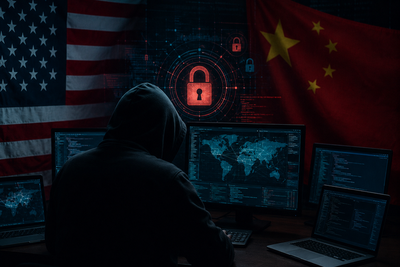
Additionally, one of the independent Ukrainian hackers interviewed by the publication claimed that some cameras around Moscow and the Kremlin are still active and that regular cyberattacks are being carried out against them.
It was noted that modern video analytics systems allow searching for specific situations using text queries. For example, scenarios such as "two people exchanging a bag" or "a vehicle passing through an area several times within a short period" can be automatically identified.
According to experts, while such technologies are creating new opportunities in the security field, they are also complicating the task of protecting heads of state and strategically important individuals.