U.S. forces have carried out another series of strikes against Iran in accordance with President Donald Trump's directive. Thus, the attacks on Iran have continued for a 12th consecutive night. This was reported on July 23 by the U.S. Central Command (CENTCOM).
It was noted that the latest strikes targeted Iran's naval capabilities, warehouses storing missiles and drones, coastal surveillance points, and air defense systems.
The statement said that throughout July, the U.S. Armed Forces struck dozens of military facilities on Iranian territory. In addition, a naval blockade against Iran was reinstated. The military indicated that the latest strikes lasted approximately five hours.
A representative of the Iranian Ministry of Health reported that as a result of the latest U.S. strikes, 50 civilians were killed and 500 people were wounded. The number of U.S. military personnel killed in the war in recent days has reached 18.
Furthermore, on July 22, U.S. President Donald Trump stated that every time Iran fires at ships in the Strait of Hormuz, the United States would destroy at least one bridge or power plant in Iran.
The Joint Command of the Iranian Armed Forces, in a statement released through state media, announced that if this threat is carried out, Iran would strike oil, gas, electricity, and other economic infrastructure facilities in the region.
Last week, U.S. President Donald Trump promised to retaliate against Iran after American servicemen were killed on the weekend. Over the past week, Trump has been threatening to expand the list of targets in Iran to include energy facilities and bridges.
For reference, according to the Geneva Conventions adopted in 1949, attacking civilian objects essential to the survival of the civilian population during war is prohibited. American experts on international law have stated that Trump's previous threats to strike such objects could be assessed as war crimes from the perspective of international law.
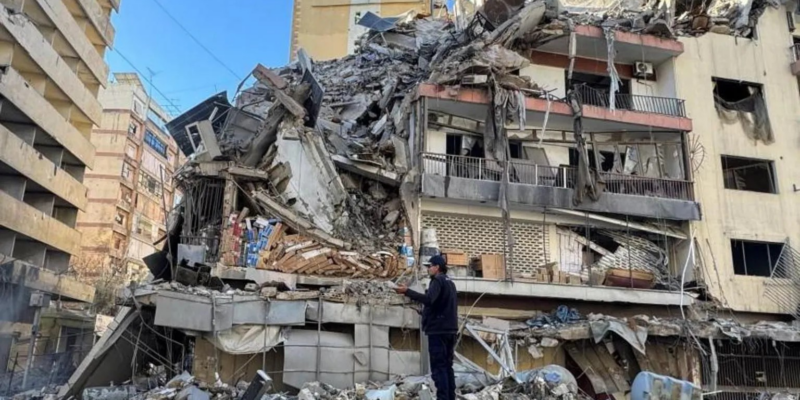
It is worth noting that as a result of strikes by the U.S. and Israel on Iran, as well as by Israel on Lebanon during the war, thousands of people have been killed, and millions have been forced to leave their homes. The conflict is causing oil price increases and instability in global financial markets.