In July, Iran sent commanders of the Islamic Revolutionary Guard Corps, military advisors, and missile and drone equipment to Yemen. Reuters reported this.
According to the data, Iran's move may have been aimed at increasing the Houthis' ability to threaten ships in the Red Sea. This was reported by four sources familiar with the matter, including two Iranian citizens, the Yemeni information minister, and a regional security analyst.
According to sources, Iranian Islamic Revolutionary Guard Corps personnel and military equipment were delivered on July 13 via a Tehran–Yemen airline flight. Two Iranian sources told Reuters that the Mahan Air aircraft carried between 10 and 21 Corps personnel, including high-ranking commanders.
The plane was initially supposed to land in Sanaa, the Houthi-controlled capital of Yemen. However, after the Saudi-backed Yemeni government struck the airport, the plane changed its route to the city of Hodeidah on the Red Sea coast.
"The Islamic Revolutionary Guard Corps commanders went to support Houthi operations and teach them how to use new missile systems," one of the sources said.
It is also reported that Iran sent gold on the plane to finance Houthi activities.
This information is being assessed as new evidence of Iran's support for the Houthis. The Houthis have been waging an armed struggle for more than ten years against the Saudi-backed Yemeni government. The group has previously carried out attacks using missiles and drones against Saudi Arabia and other neighboring states.
The Iranian Ministry of Foreign Affairs has not commented on this information. Official Tehran has repeatedly denied supplying missile technology to the Houthis. The Houthis also deny being Iran's proxy forces, stating that they produce their own weapons.
Three days after the aid was delivered, Tehran reportedly asked the Houthis to be ready to close the oil shipping route in the Red Sea. This was to be carried out if the US struck Iran's energy infrastructure.
On July 20, the Houthis declared a naval blockade against Saudi Arabia. The group explained this decision as a response to the strike on Sanaa airport on July 13. The Houthis believe that Saudi Arabia carried out this attack.
On July 23, the Houthis announced they had attacked two oil tankers belonging to Saudi Arabia. This further increased the risks related to the security of maritime trade in the region.
On July 22, the information minister of the Saudi-backed Yemeni government, Muammar al-Iryani, citing intelligence data, confirmed that Iranian military personnel and equipment had been delivered to Yemen.
"Their task is to enhance the group's military capabilities and prepare them to threaten international maritime security in the Red Sea and the Bab el-Mandeb Strait," he said.
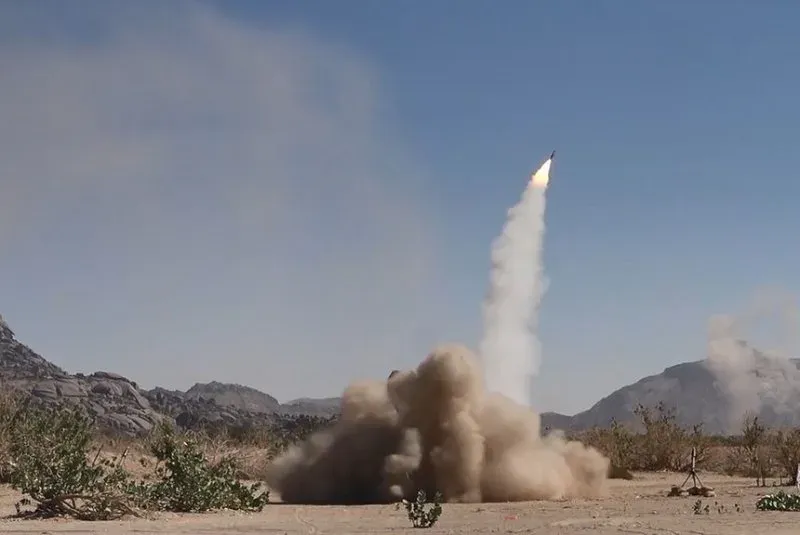
It is reported that the delivered cargo included spare parts for short- and medium-range missiles and drones. These weapons are said to be similar to systems previously used in attacks against Saudi Arabia and the United Arab Emirates.