To preserve the planet's resources, the Earth's population needs to be reduced to approximately 4 billion people. The Daily Mail reported this, citing a study by scientists.
As noted in the publication, this proposal may seem drastic at first glance, but experts emphasize that the rapid growth of the population is increasing pressure on natural resources.
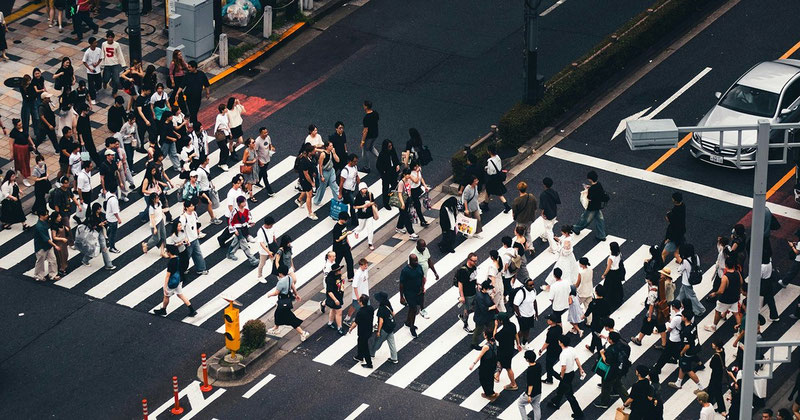
Over the past century, the world's population has sharply increased, reaching 8.3 billion people. If current demographic trends persist, the population could reach 11.4 billion by the end of the 21st century.
According to researchers, the impact of human activity on nature has significantly increased in recent decades. In particular, carbon dioxide emissions have increased, biological diversity has decreased, and energy consumption and the scale of natural resource extraction have sharply increased.
Experts emphasize that if the population can be voluntarily reduced over the next two hundred years, this could help reduce pressure on the environment and ensure sufficient resources for humanity.
At the same time, scientists emphasize that this goal can be achieved not through coercion or force, but by ensuring women's reproductive rights and expanding access to education and healthcare.
For reference, the world's population currently exceeds 8.3 billion people. The majority of the population lives in Asia and Africa.
Historically, the world's population first crossed the 1 billion mark in 1800. Over the next two centuries, advances in medicine, improved sanitation, and a rising standard of living led to rapid population growth.
Currently, India and China lead among the most populous countries. They are followed by countries such as the United States, Indonesia, and Pakistan.
According to UN forecasts, the world population could reach approximately 10.3 billion by the 2080s, reaching its peak. After that, population growth is expected to slow and stabilize.