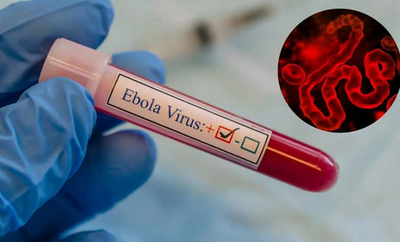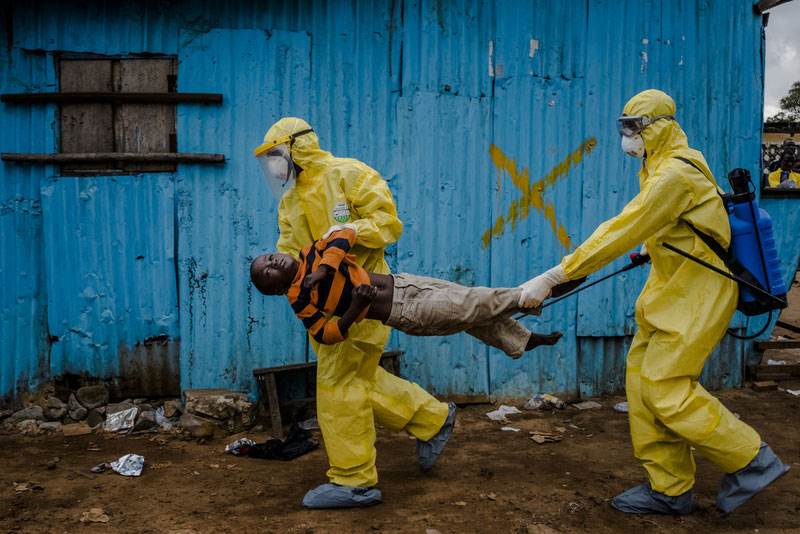
The situation related to the Ebola virus in the Democratic Republic of Congo is becoming increasingly severe. Despite the complete suspension of air travel to the city of Bunia, located in the east of the country, the spread of the disease continues. This was reported by the publication “Bloomberg” on May 24, as reported.
According to reports, the city of Bunia is located near the border with Uganda, and this region is becoming a new epicenter of the epidemic. The fact that cases of Ebola virus infection have also begun to be recorded in Ugandan territory has further heightened concern in the region.
The Government of Congo has adopted drastic measures
The Ministry of Transport of the Democratic Republic of Congo has banned all commercial, private, and special flights to the city of Bunia. Exceptions are permitted only for humanitarian aid and medical transport.
However, according to experts, these restrictions are also not sufficient to prevent the spread of the virus. Currently, Ebola cases have been identified in the provinces of Ituri, North Kivu, and South Kivu in the country.
The healthcare system is failing
According to reports, only one-fifth of the 1,745 individuals identified as related to the virus in the country have been placed under surveillance. This further increases the risk of the disease spreading undetected.
Also:
867 probable cases of infection;
204 suspected deaths have been recorded.
Experts emphasize that Congo's healthcare system is facing serious difficulties in monitoring and controlling the epidemic.
WHO: It is impossible to stop the epidemic within two months
On May 19, the World Health Organization declared the Ebola outbreak in the Democratic Republic of Congo and Uganda a public health emergency of international concern.
According to the organization, it is nearly impossible to bring the epidemic under full control within the next two months under the current conditions.
Dangerous beliefs persist among the local population
Most worryingly, in some areas, the local population still perceives Ebola not as a medical disease but as a “curse sent by the ancestors.” This poses a serious obstacle to the awareness campaigns conducted by doctors and international organizations.
Experts emphasize that restoring trust among the population and strengthening rapid medical surveillance will be decisive factors in the fight against the epidemic.