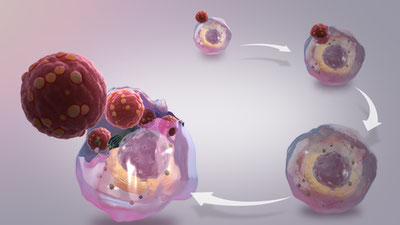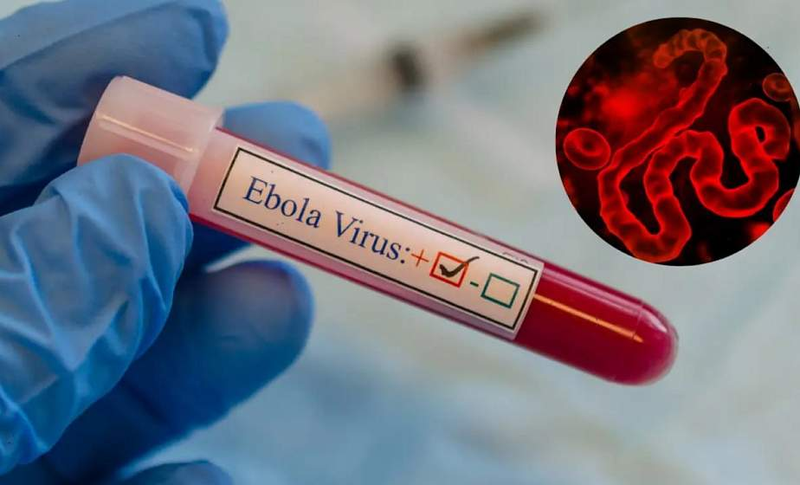
Ebola is a rare but very dangerous viral disease that is often fatal. It is transmitted to humans through blood, vomit, and other bodily fluids.
According to experts, the disease is first transmitted to humans through infected animals, especially fruit bats. Symptoms can appear within 2 to 21 days.
The initial symptoms of Ebola resemble the flu: fever, headache, and fatigue. Later, vomiting, diarrhea, organ dysfunction, and in some cases, internal or external bleeding are observed.
According to the WHO, there is currently no specific cure for Ebola. The average mortality rate is about 50 percent. Vaccines exist for some strains, but a vaccine for the "Bundibugyo" type has not yet been developed.
In the last 50 years, about 15,000 people have died from Ebola in Africa. The largest epidemic in the Democratic Republic of the Congo occurred in 2018–2020, killing nearly 2,300 people.