It was noted during the presentation that over the next three years, it is planned to increase the number of training and assessment centers operating based on international standards from 50 to 200. Additionally, the goal is to cover 500,000 people annually through private vocational education. Currently, this figure stands at 45,000.
To achieve these goals, more than 300 training programs will be reviewed and adapted to international requirements. At least 1,000 teachers and industrial training masters will have their qualifications upgraded. It has been determined that 500 billion soums will be allocated from the Employment Fund to finance these processes.
During the presentation, proposals made by entrepreneurs were also discussed. In particular, customs and tax benefits, preferential loans, and infrastructure-related support measures for private vocational education organizations were considered.
According to the proposals, essential equipment imported for private vocational education centers will be exempted from customs duties. Furthermore, it is planned to set the social tax rate at 1 percent for foreign teachers and specialists.
In addition, entrepreneurs in the sector will be provided with loans of up to seven years, with a two-year grace period. Seven percent of the interest payments on loans taken for building construction, renovation, and the purchase of equipment will be covered by the state.
Fifty percent of the costs of attracting foreign specialists, 30 percent of the costs of professional skills assessment equipment and software products, and 50 percent of the costs associated with obtaining national and international certificates will be compensated.
At the same time, it is planned to attract $100 million in funding by the end of the year for the development of private vocational education, and to establish a $5 million Venture Fund to support graduate projects.
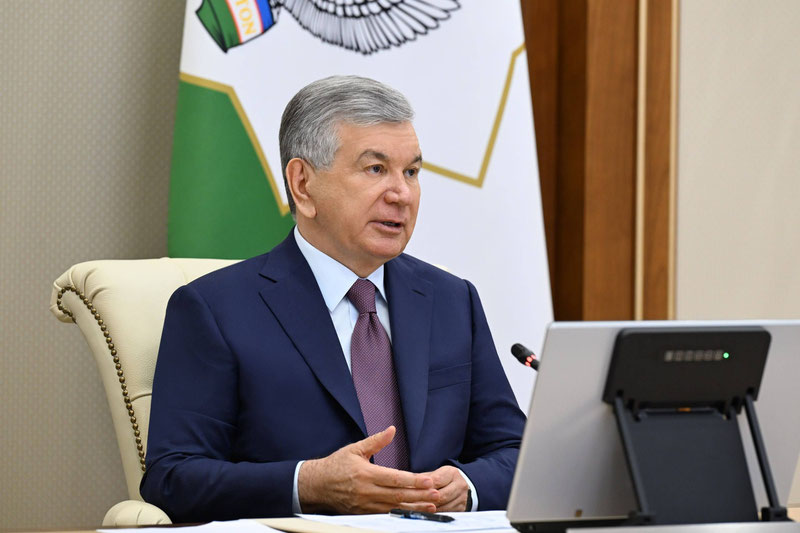
The President approved the presented measures and gave relevant instructions to those responsible for training the population in professions in high demand on the labor market and expanding the participation of the private sector.