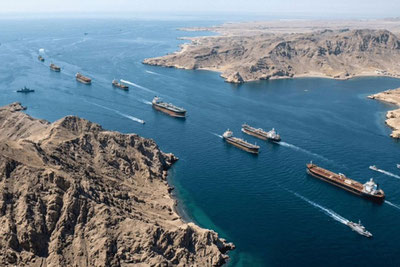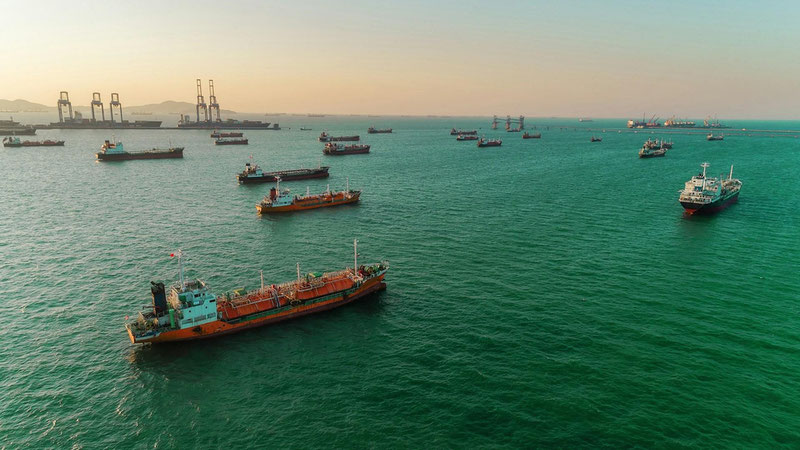
Iran has begun mining the Strait of Hormuz, the most important energy corridor through which one-fifth of the world's crude oil passes. Zamon.uz reported this, citing sources familiar with U.S. intelligence information.
The sources indicated that the mining operations are not yet on a large scale, with several dozen mines deployed in recent days. However, since Iran has preserved 80–90 percent of its small boats intended for laying mines, it is capable of deploying hundreds of mines in the strait.
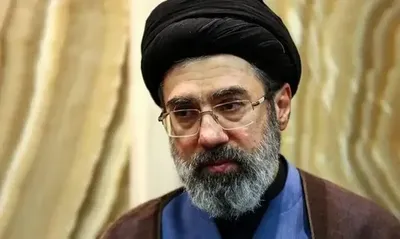
Currently, Iran's Islamic Revolutionary Guard Corps and naval forces control the strait. They have the capability to create a complex attack system using small mine-laying boats, boats loaded with explosives, and coastal missile systems.
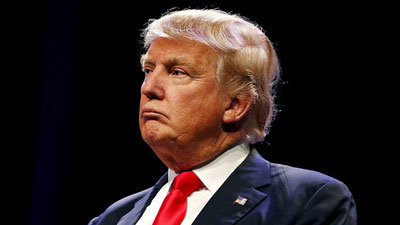
In response to this information, Trump demanded that if even a single mine is laid in the strait, it must be removed.
The U.S. president said that if mines are laid and not removed, Iran will face consequences "unlike any seen before." Subsequently, U.S. Secretary of Defense Pete Hagerty stated that stationary mine-laying vessels in the Strait of Hormuz are being targeted.
"We will not allow terrorists to take the Strait of Hormuz hostage," Hagerty added.
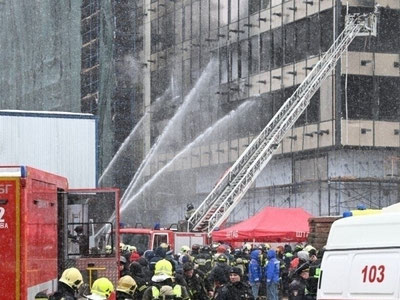
At the same time, the U.S. Central Command announced that it has eliminated several Iranian military vessels near the Strait of Hormuz, including 16 mine-laying boats.
The Islamic Revolutionary Guard Corps of Iran had previously warned that any vessel passing through the strait could come under attack. Since the start of the war, the strait has been effectively closed for vessel traffic.
"The Strait of Hormuz will remain safe. There are many vessels of our naval forces there. We have the best equipment in the world for detecting mines," Trump said at the press conference on March 9.
According to CNN, approximately 15 million barrels of crude oil extracted daily in the Persian Gulf and an additional 4.5 million barrels of fuel remain stranded. For oil-producing countries like Iraq and Kuwait, there is no viable alternative route to export their products other than the Strait of Hormuz.
G7 countries with large economies hinted at the possibility of releasing more oil from reserves to cover the shortfall.
Uncertainty regarding the ability to transport oil by sea is causing sharp fluctuations in the crude oil market. The price of a barrel of oil has been oscillating between indicators above $90 and below $80 as a result of consecutive jumps.
The International Energy Agency, against the backdrop of the Middle East conflict, proposed releasing the largest volume of oil from reserves to stabilize the market.