The three-day conference became an important platform, uniting over 300 scholars, experts, diplomats, and public representatives from more than 20 countries of the world, for an in-depth study of the Timurid era's legacy and a discussion of its place in the development of world civilization.
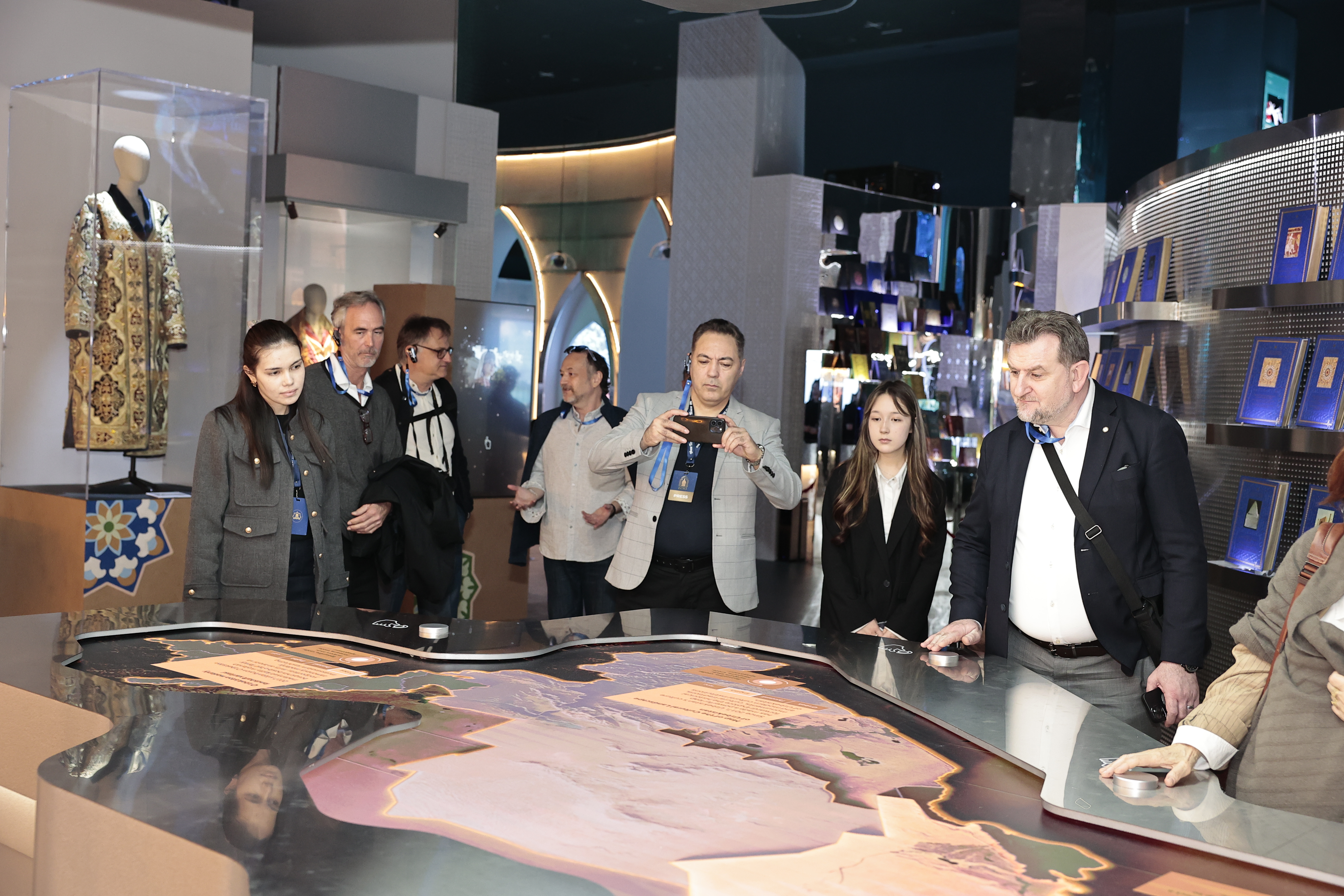
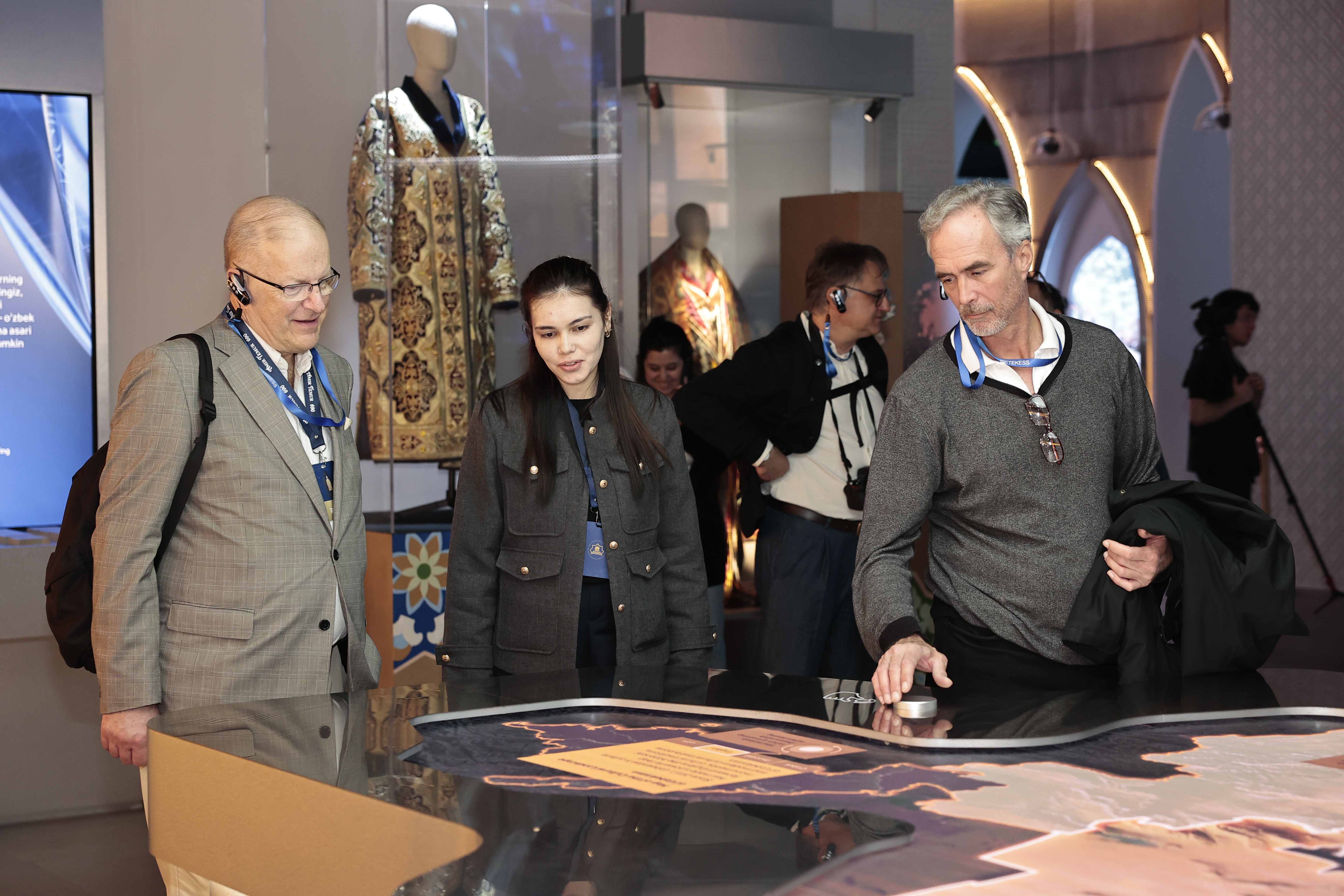

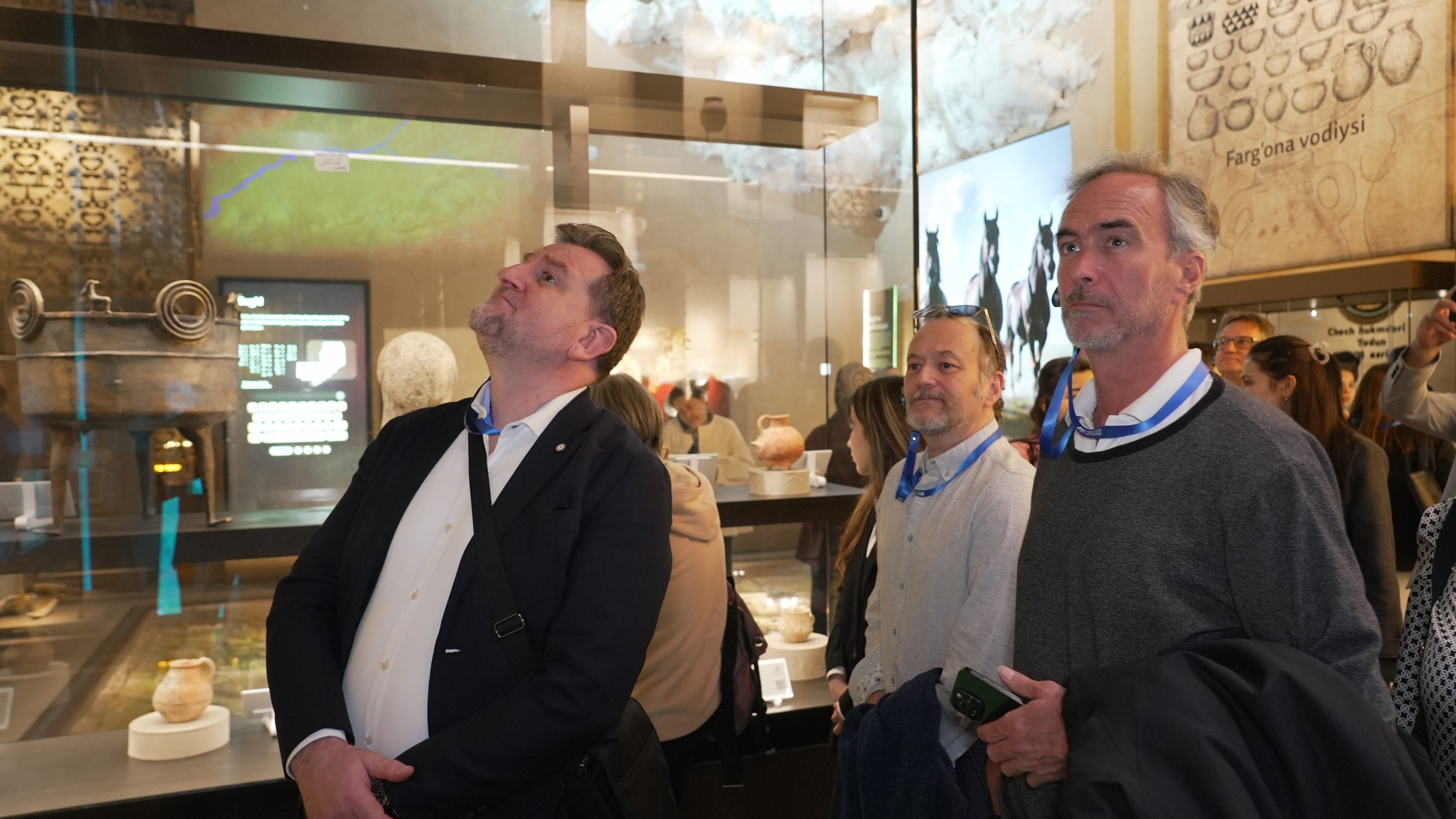
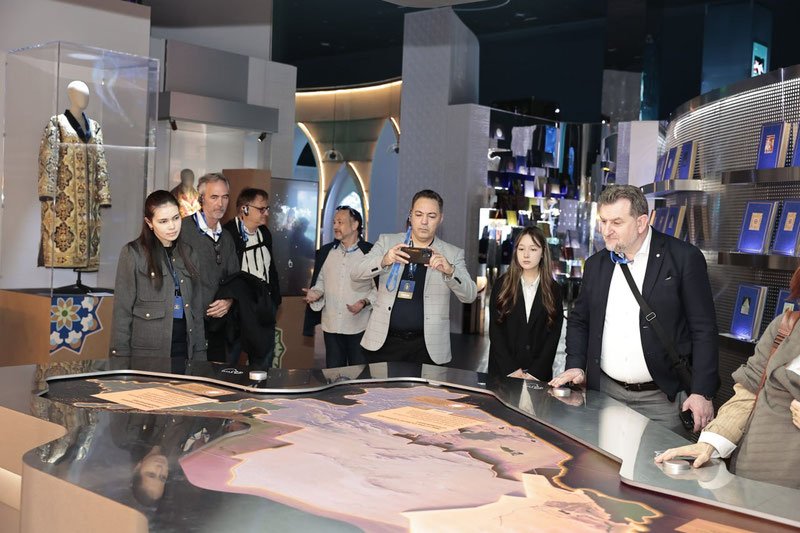
Within the framework of the conference, participants visited the Center of Islamic Civilization in Uzbekistan and familiarized themselves with the thematic exhibitions organized there. Additionally, a screening of the feature film "Amir Temur and Donna Maria" was held.
During the event, foreign guests shared their impressions about the center's activities and the exhibitions.
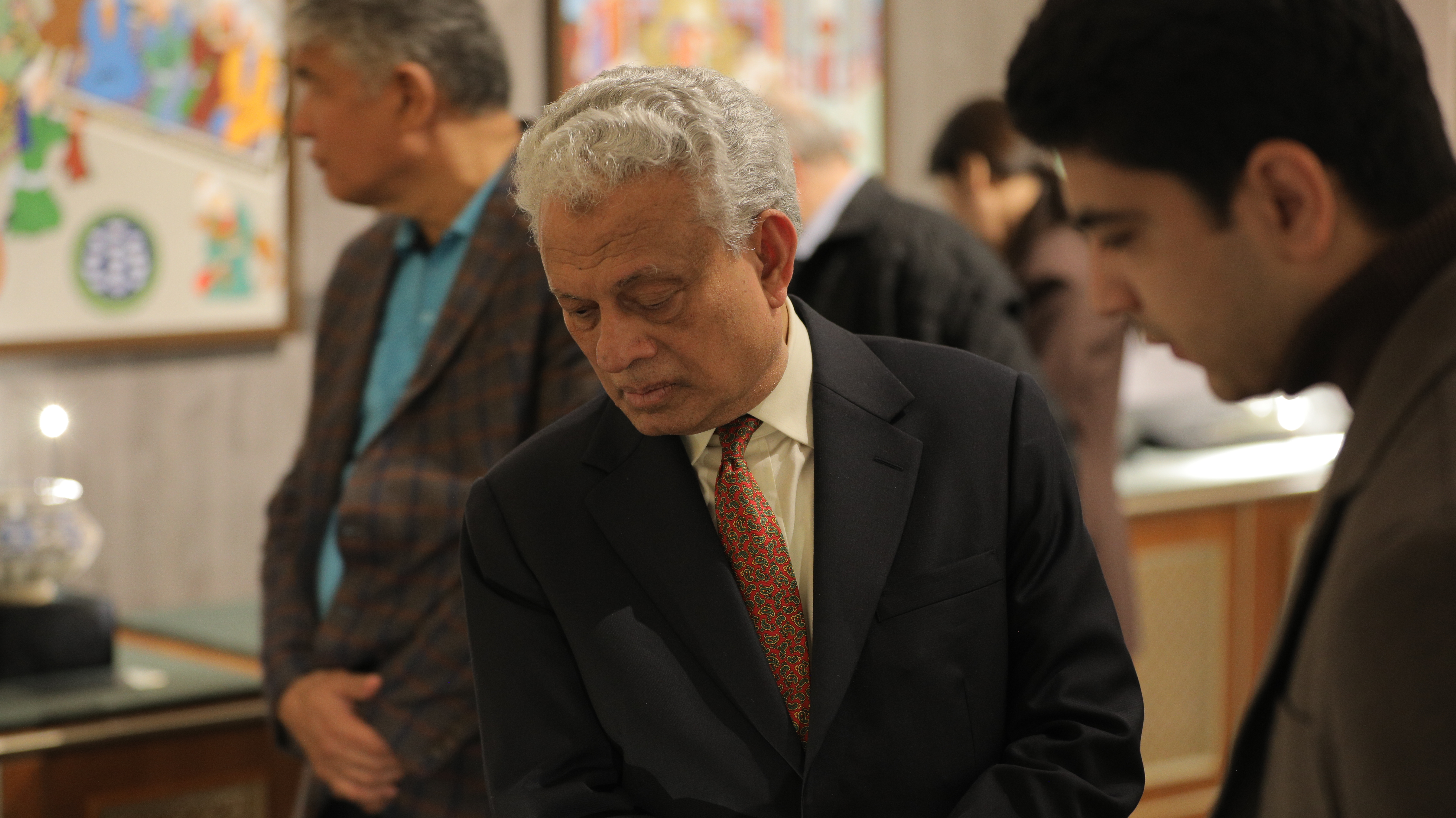
— "I am very pleased to be here. The scale and significance of the center are truly astonishing. A rich history that formed the basis for the development of Islamic and world civilization is concentrated here. Such centers are important not only for illuminating the past but also for the future," said Farhan Nizami, Chairman of the Oxford Centre for Islamic Studies.
He particularly emphasized that the expositions dedicated to the Renaissance periods and the legacy of great scholars left a deep impression on him:
— "The scientific works of scholars like Al-Khwarizmi and Al-Farghani were fundamental for the progress of humanity. Without them, today's modern achievements would not exist," — he said.
Participant Siboria Salihov from Great Britain also shared his thoughts on the center and the film:
— "This is my first visit since the museum fully opened. What we saw was very impressive. Especially the display in the Quran Hall and today's film made a big impression. We will definitely come back to this place again," — he said.
According to his emphasis, such cultural and scientific events are of great importance in strengthening dialogue between different civilizations:
— "Such centers and conferences serve to understand universal human values," — he added.
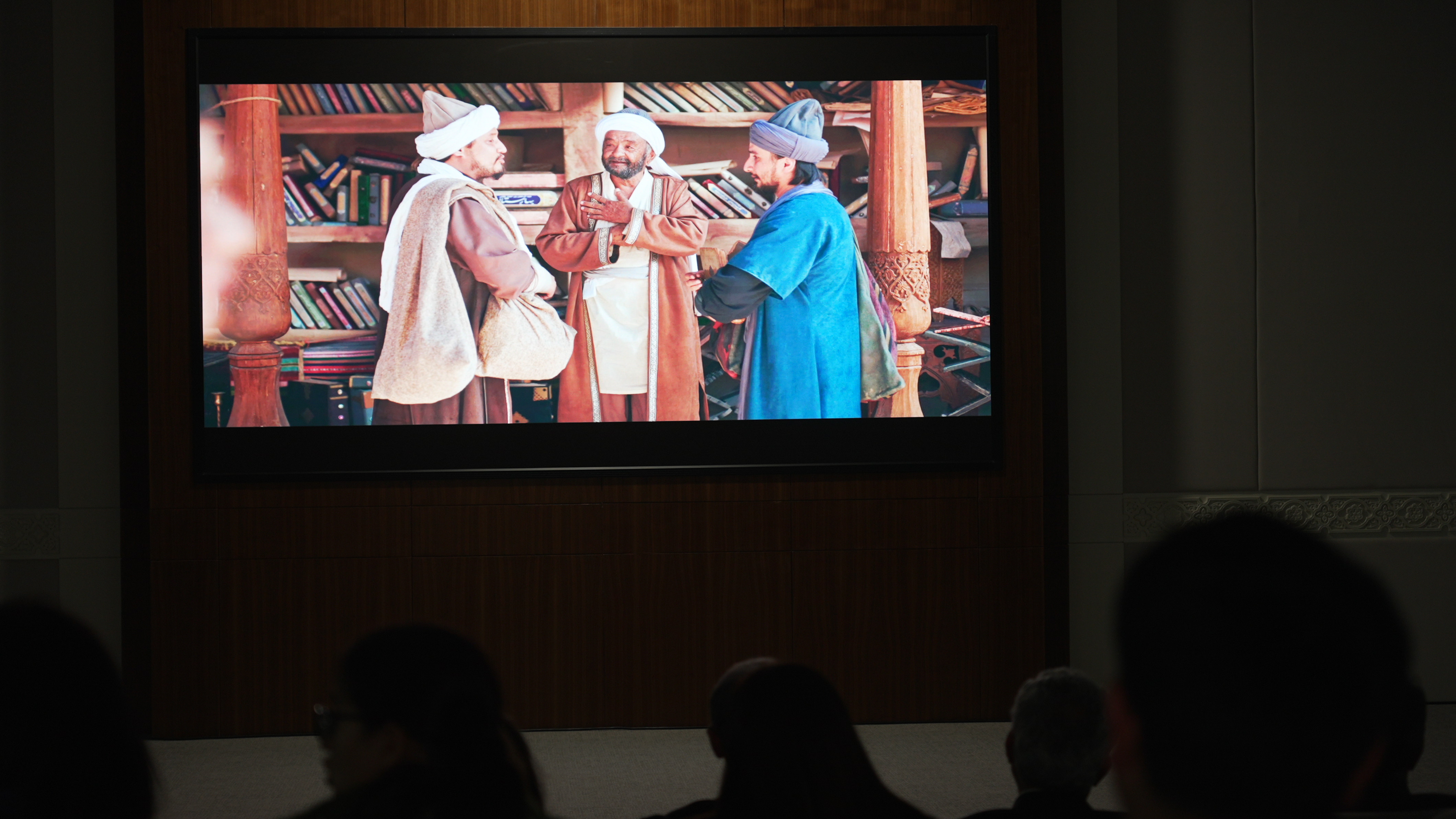
The film "Amir Temur and Donna Maria," shown during the conference, was also warmly received by the participants. The modern artistic interpretation of Amir Timur's human virtues and his place as a historical figure was particularly acknowledged.
During the international conference, scientific discussions continue regarding the achievements of the Timurid era in the fields of state governance, science, culture, architecture, and diplomacy.
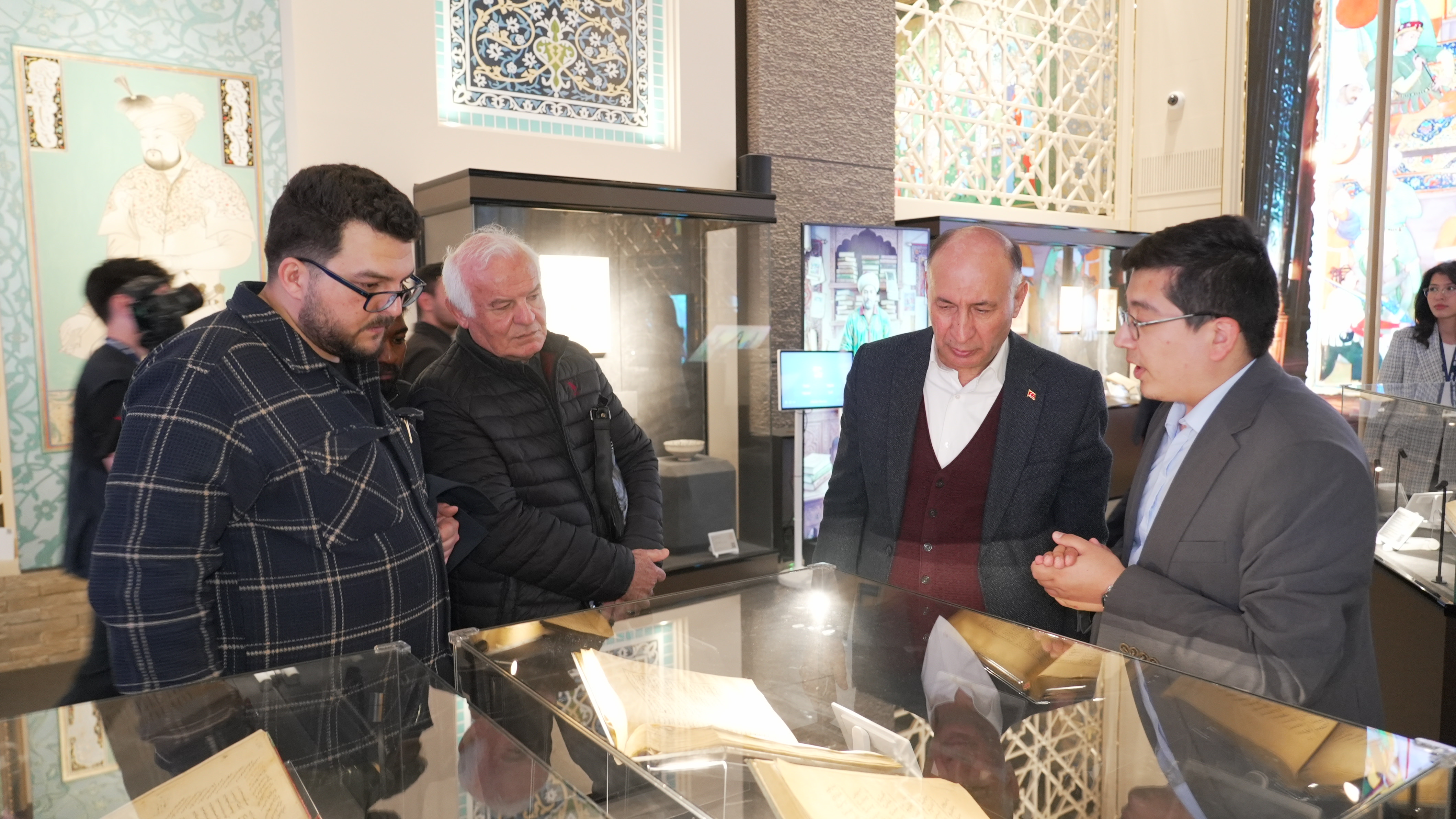
This conference is gaining significant importance in widely promoting Uzbekistan's rich historical and cultural heritage to the world community, developing international scientific dialogue, and strengthening cooperation between civilizations.