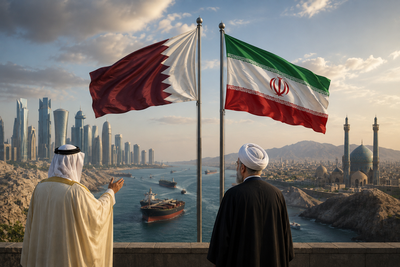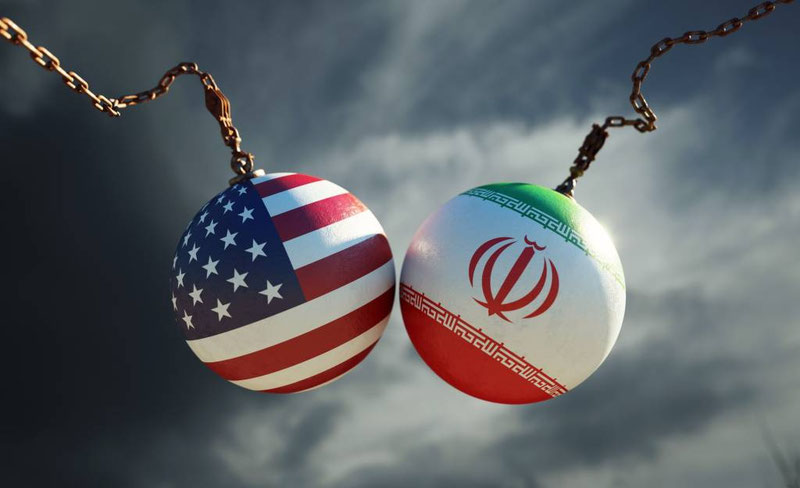
The next round of indirect negotiations between the United States and Iran, held in the Qatari capital Doha, has concluded. However, the sides did not announce that a long-term peace agreement had been reached.
According to reports, the two-day meetings primarily focused on restoring maritime navigation in the Strait of Hormuz and the issue of Iran’s frozen assets. Additionally, key provisions of the interim agreement reached in June were also discussed.
According to a statement from the Qatari Ministry of Foreign Affairs, the next round of negotiations will be organized after the funeral of Iran’s late Supreme Leader, Ayatollah Ali Khamenei, which is scheduled to take place on July 9. A ministry representative stated that the meetings in Doha had yielded positive progress regarding the memorandum of understanding signed in June and were based on the outcomes of the summit held in Switzerland.
U.S. President Donald Trump, during an interaction with journalists, said that positive developments were also being observed regarding Iran’s nuclear program.
“The process of denuclearizing Iran is going well. The meetings went very well; we will see the next results,” Trump said.
However, sources familiar with the negotiations emphasized that the nuclear program issue was not discussed at all during the technical meetings in Doha. U.S. Vice President JD Vance stated that this matter would be considered in the next stage of negotiations.
“Of course, we are concerned about the nuclear issue and will begin negotiations on this topic,” he said.
According to the Qatari Ministry of Foreign Affairs, the U.S. and Iranian delegations did not meet directly. The negotiations were conducted in a separate format through Qatari and Pakistani mediators.
Sources reported that U.S. President’s son-in-law Jared Kushner and the country’s special envoy Steve Witkoff arrived in Doha but did not participate in the technical negotiations.
The head of the Iranian delegation, Deputy Foreign Minister Kazem Gharibabadi, confirmed that the negotiations had concluded. At the same time, the sides did not provide information that the existing disagreements had been resolved.
Under the interim agreement, the U.S. and Iran must fully restore international maritime navigation through the Strait of Hormuz. Currently, ship traffic has been partially resumed, but the legal status of this strategically important waterway remains disputed.
According to two senior Iranian sources, Tehran is seeking international recognition of its control over the Strait of Hormuz. Additionally, Iran has once again announced its intention to start collecting fees from vessels transiting the strait from mid-August.