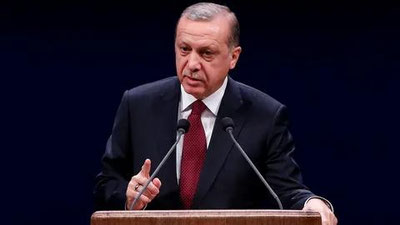
Leaders of 32 NATO member states will participate in a summit starting today, July 7, in Ankara, the capital of Turkey. The meeting comes at a time when US President Donald Trump is demanding a sharp increase in defense spending from alliance members.
NATO Secretary General Mark Rutte, on the eve of the summit, called on member states to present "clear, practical, and reliable plans" to achieve the organization's defense spending goals. According to him, Trump expects all allies to take swift measures to allocate at least 5 percent of their gross domestic product to defense.
Within the framework of the summit, a defense industry forum will also be held. NATO countries are expected to announce new arms contracts worth tens of billions of euros. Through this, European countries and Canada aim to demonstrate to Trump that they are fulfilling their defense commitments.
At the two-day summit, an agreement is expected to be approved to allocate approximately 70 billion euros in military aid to Ukraine for this year and next. However, according to analysts, these funds will largely consist of formalizing previously made promises.
Last year, NATO countries agreed to allocate 5 percent of their GDP to defense needs. Of this, 3.5 percent was designated for direct military spending, and the remaining 1.5 percent for infrastructure such as roads, bridges, and ports facilitating troop movements.
In recent months, Trump's statements have further complicated relations within NATO. He expressed a desire to establish control over Greenland, criticized European allies for not consulting sufficiently on military operations against Iran. In addition, a number of disagreements emerged with the leaders of Great Britain, Italy, and Canada.
Furthermore, Washington is considering the possibility of reducing the number of US military forces and equipment stationed in Europe in the event of a potential conflict with Russia. US Defense Secretary Pete Hegseth announced that additional analysis will be conducted on this issue, and that the number of US troops may be reduced more in countries that have not sufficiently increased defense spending.