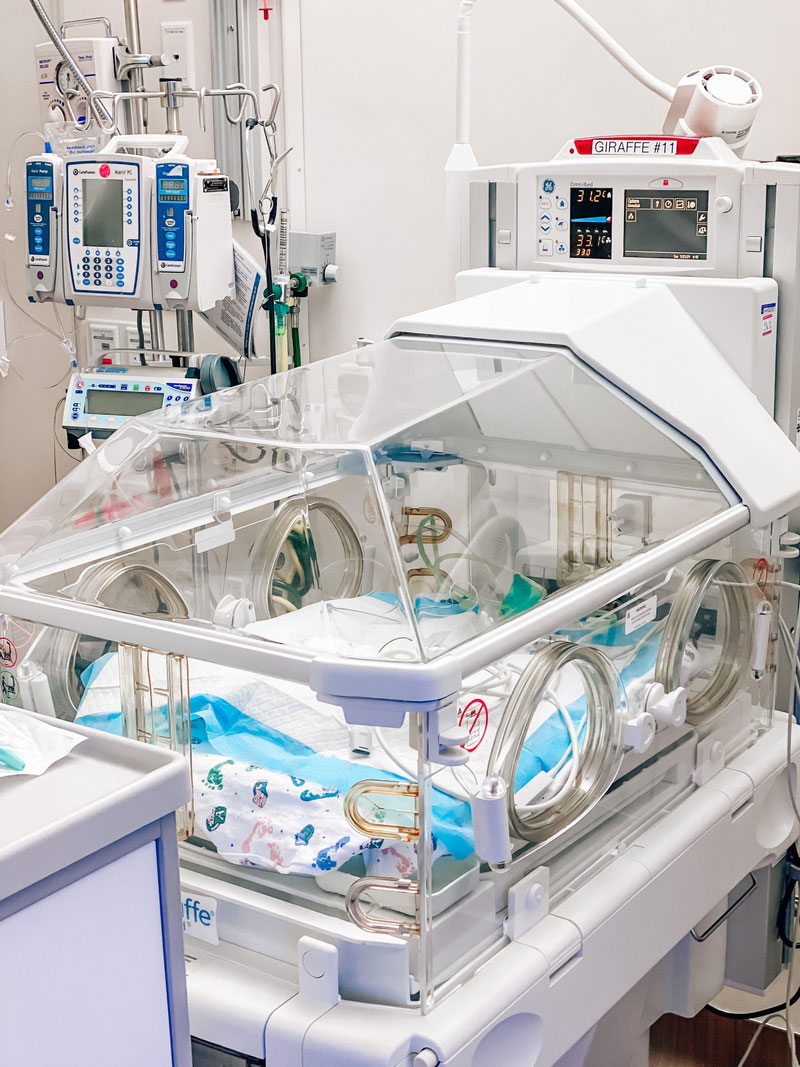
In Uzbekistan, 47 percent of infant deaths occur within the first 30 days after birth. Therefore, in order to sharply reduce the child mortality rate by 2030, it is planned to improve the pediatric system and expand early diagnosis programs. This was reported by Abdumannop Abdukayumov, director of the Republican Specialized Scientific and Practical Medical Center of Pediatrics.
According to him, the current child mortality rate in the country is 14.3 cases per thousand children. In accordance with the strategy for 2025–2030, the goal is to reduce this indicator to 8 cases per thousand children.
The specialist noted that nearly half of infant deaths occur in the neonatal period, that is, within the first 30 days of life. Therefore, strengthening medical supervision in maternity hospitals and during the first weeks after childbirth has been identified as one of the priority tasks.
According to the Ministry of Health, in 2025, infant mortality in the country amounted to approximately 7,500 cases. In 2024, this figure was 8,300.
It is noted that the risk group mainly includes premature infants, children with congenital developmental defects, and those with hereditary diseases. Every year, more than 48,000 children in Uzbekistan are born with various congenital and genetic pathologies.
Within the framework of the strategy, it is planned to introduce a four-tier system of pediatric services in the country, monitor children's health through the DMed unified digital medical platform, form a national registry of patients with rare diseases, and launch a modern genetic laboratory with the assistance of Germany.
Also, through the integration of artificial intelligence technologies into the DMed system, it is intended to reduce the diagnosis time to 3–5 days, cover at least 95 percent of children with preventive medical examinations, and increase the share of high-tech medical care to 75 percent.